You found one home organization blog you love, followed every tip, and now your kitchen drawers finally close. Then you hit the bedroom closet, the entryway pile, or the pantry shelves — and the same blog has almost nothing to say about them. That is the moment most readers start searching for home organization sites like ClutterlessNest: not because the first blog failed, but because no single site covers every room, every budget, and every living situation. This guide rounds up seven sites that each do one thing especially well, explains who each one suits, and shows you how to build a small bookmark list that actually matches your home.
Why Look Beyond One Blog
Every organization blog has a home base. One site might be brilliant at pantry shelves but silent on shared closets. Another might specialize in tiny apartments and have nothing useful for a family garage. When you only follow one voice, you end up forcing its system onto rooms it was never designed for — and then blaming yourself when it does not stick.
Treat blogs like tools in a drawer instead: the room-by-room builder for whole-home resets, the pantry specialist for food storage, and the small-space expert for the studio. Pick the two or three that match your actual home instead of collecting bookmarks you never open.
ClutterlessNest-Style Sites: Calm, Room-by-Room Systems
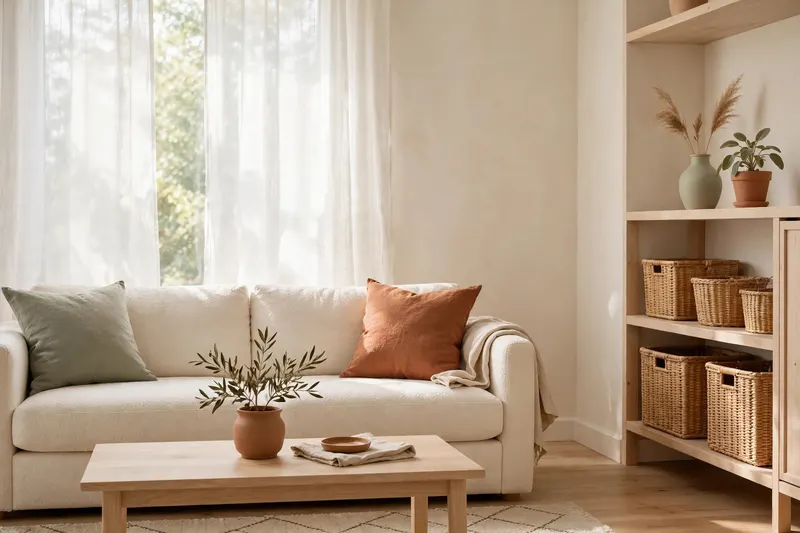
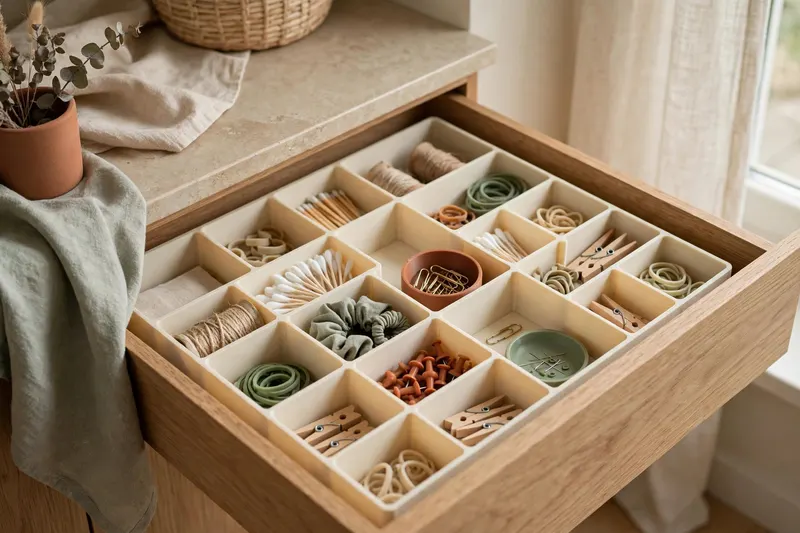
The sites in this group share a signature style: slow, steady, room-by-room systems rather than weekend makeover drama. ClutterlessNest is the best-known example: tackle one zone at a time — a single drawer, one shelf, one closet section — and build simple routines that keep it tidy after the initial sort. No pressure to buy a matching set of anything, and the advice assumes a normal budget and a normal amount of time.
This style suits you if you feel overwhelmed and need permission to go slowly, and it suits shared households, because room-by-room systems are easier to explain to a partner or teenager than a full-house overhaul. Pair it with a written plan: our Room-by-Room Declutter Checklist for the New Year walks through every zone in momentum order, quick wins first and heavy zones last.

Pantry-First Blogs: Three Olives Pantry and Similar
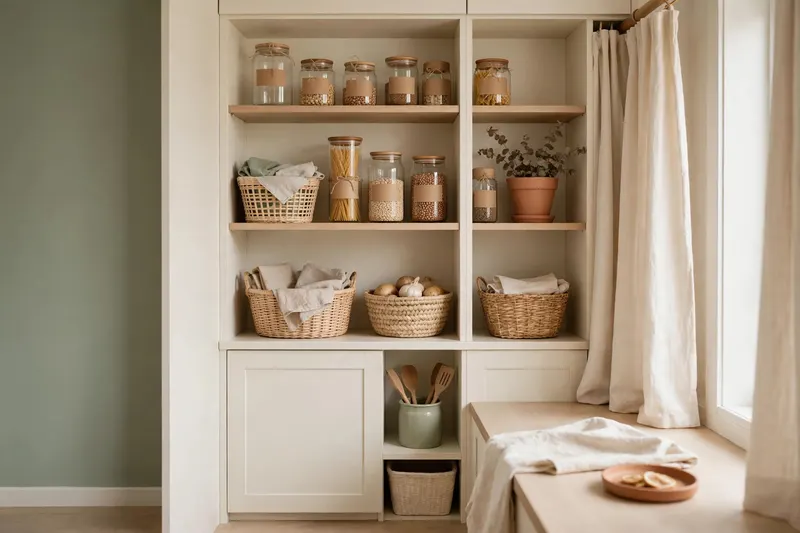
Some blogs start in the kitchen and never really leave — and that is exactly their strength. Three Olives Pantry is the classic pantry-first site: deep, practical coverage of food storage, decanting, shelf risers, door racks, and the weekly routines that keep a small pantry from sliding back into chaos. If your biggest frustration is digging through expired cans or losing dry goods at the back of a deep shelf, one afternoon here teaches more than a month on a general site.
The pantry-first approach works because food storage is a geometry problem with measurable answers: container sizes for a standard 12-inch-deep shelf, which items earn the front row, and labels so everyone puts things back in the same place. For a full set of renter-friendly pantry fixes, see our 21 Small Apartment Pantry Organization Ideas — door racks, shelf risers, and decanting systems that need zero renovation. One warning: sort and measure before you buy matching containers, not after.
Small-Space Specialists: Living in a Shoebox and Similar
Living in a Shoebox is the go-to name for people whose homes measure in the hundreds of square feet, not the thousands. Small-space specialists write for the studio renter, the one-bedroom sharer, the person whose “spare room” is a corner of the living room. Their advice assumes every inch counts and every piece of furniture must earn its floor space twice over.
What sets these sites apart is their obsession with vertical storage and multi-purpose furniture: wall-mounted shelves, over-door organizers, under-bed drawers, fold-down desks, and storage ottomans. They are also honest about trade-offs — an open shelf looks great in a photo and collects dust in real life. The key test: does the site show real measurements and floor plans, or just pretty photos? Measurements separate advice you can copy from inspiration you can only admire.
Video-First Creators vs Written Guides: Which Suits You
Some of the best-known organization voices work mainly in video: walkthroughs, closet tours, and real-time decluttering sessions. Video is unbeatable at showing exactly how a fold, a roll, or a shelf arrangement looks in motion. If you learn by watching first, a video creator will get you moving faster than any written guide.
Written guides win differently: you can skim, search, and print a checklist, then jump straight to the section you need without scrubbing through a 20-minute video. Most experienced organizers use both — video for technique, written guides for the step-by-step plan.
How to Judge a Site: Real Photos, Measurements, Renter-Friendly?
Before you bookmark a new blog, run a quick three-point check. First, real photos: does it show lived-in rooms with normal clutter, or only styled showrooms? Perfect rooms are a photo shoot, not a system you can copy. Second, measurements: does it give shelf depths, bin dimensions, and clearance numbers? Advice without numbers is a guess. Third, renter-friendly: does it offer no-drill options, or does every solution assume you own the walls?
That third point matters: if you rent, one row of screw holes behind a spice rack can cost you part of your deposit. Look for tension rods, over-door racks, freestanding shelves, and removable hooks alongside permanent solutions. Our 17 Renter-Friendly Kitchen Organization Ideas shows how far no-drill methods can go — every piece packs into a moving box when the lease ends.
Where My Sorted Nest Fits In
My Sorted Nest sits in the same family as the sites above, with one deliberate focus: small spaces, worked room by room, with measurements and renter-friendly methods built in from the start. Every guide here assumes a real apartment — limited closets, shared rooms, a landlord who owns the walls — and every idea names the bin size, the shelf depth, or the step sequence so you can copy it without guessing. Use it as your small-space anchor, and browse the full collection in our storage ideas category to pick the room that needs you first.
Your Starter List: 7 Sites to Bookmark
Here are the seven sites from this guide, grouped by what each one does best. Bookmark the two or three that match your home.
1. ClutterlessNest — calm room-by-room systems
The steady whole-home anchor. Best for working through the house one zone at a time, with simple routines that keep each room tidy after the initial sort. Start here if you feel overwhelmed and need a slow, forgiving pace.
2. Three Olives Pantry — pantry-first food storage
The deepest pantry coverage in this list. Best for cooks and families whose kitchen storage is the daily bottleneck — container sizes, decanting systems, and weekly routines that stop food getting lost at the back of the shelf.
3. Living in a Shoebox — small-space specialist
The essential read for studios and one-bedroom apartments: vertical storage, multi-purpose furniture, and honest trade-offs about what works in a few hundred square feet. Bookmark it first if your home is small.
4. A Bowl Full of Lemons — weekly challenges and whole-home routines
Built around weekly organizing challenges that break the house into small, scheduled tasks. Best if you stick with a plan better when someone else sets the pace — and if you like checklists and a regular rhythm.
5. IHeart Organizing — labels, printables, and organized home tours
Known for printable labels and detailed home tours showing exactly where everything lives. Best for visual organizers who want to see a finished system before building their own.
6. Clutterbug — organizing styles and clutter personalities
Built on the idea that different people need different systems. Best if standard advice never stuck — its style-based approach helps you pick a method that matches how you naturally think about your stuff.
7. The Organized Housewife — daily routines and cleaning schedules
Focused on the daily and weekly routines that keep an organized home organized. Best for households that need maintenance more than another purge: morning resets, weekly cleaning schedules, and habits that prevent the slide back into clutter.
Mistakes to Avoid
The fastest way to waste money is buying containers before you declutter. Matching bins look wonderful in a cart and terrible in a closet full of things you do not need. Sort first, measure, and only then buy — one bin to test the fit before you order ten.
A second common mistake is copying a system built for a different home. A garage-based solution does nothing for a studio renter, and a pantry system designed for a walk-in will not fit a 12-inch shelf. Always check the measurements in a guide against your own space before you commit.
A third mistake is organizing for the camera instead of for daily use. Open shelving and label-heavy systems look great in photos and fail when the household will not maintain them. Choose the system your household will actually use — closed bins for shared spaces.
Finally, avoid the all-at-once trap. Pulling everything out of every closet in one weekend creates a bigger mess than the one you started with. One zone, one bag out the door, one routine to maintain — then move on.
Frequently Asked Questions
What are the best home organization blogs for small apartments?
The best small-apartment blogs show real measurements, renter-friendly methods, and vertical storage sized for rooms under 700 square feet. Living in a Shoebox is the best-known specialist, and My Sorted Nest covers the same ground room by room.
Can I follow more than one organization blog at the same time?
Yes — as long as each one has a clear job: one whole-home anchor, one specialist for your worst room, one for maintenance routines. Problems start when you collect a dozen blogs with overlapping advice and no plan for which to follow first.
Are clutterlessnest alternatives free to read?
Yes — the blogs in this list are free to read, most earning through ads or occasional product recommendations. Start with the free advice, measure your space, and only spend once you know exactly what you need.
How do I choose between a video creator and a written guide?
Choose video when you need motivation and want to see a technique demonstrated — folding, rolling, or arranging a shelf. Choose a written guide when you need exact steps and a checklist you can follow with your hands busy. Most people use both.
What should I organize first in a small home?
Start with the room that causes daily friction — usually the entryway, the kitchen, or the closet you use every morning. One finished zone gives you momentum and a working example of the system for the next room.
Conclusion
No single blog can cover every room, budget, and living situation — and that is fine. Pick one calm whole-home system, one specialist for your worst room, and one routine keeper, then start with a single drawer or shelf today. Save this pin for later, and browse our storage ideas to find the guide for the room that needs you most.