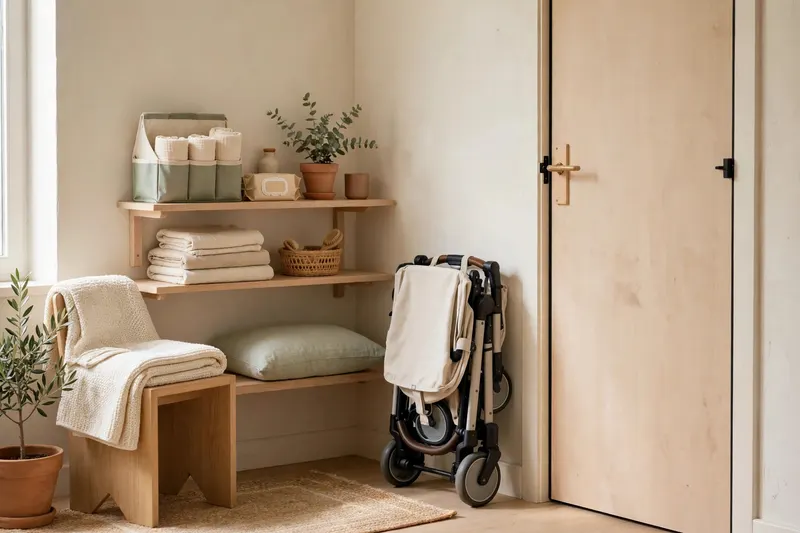
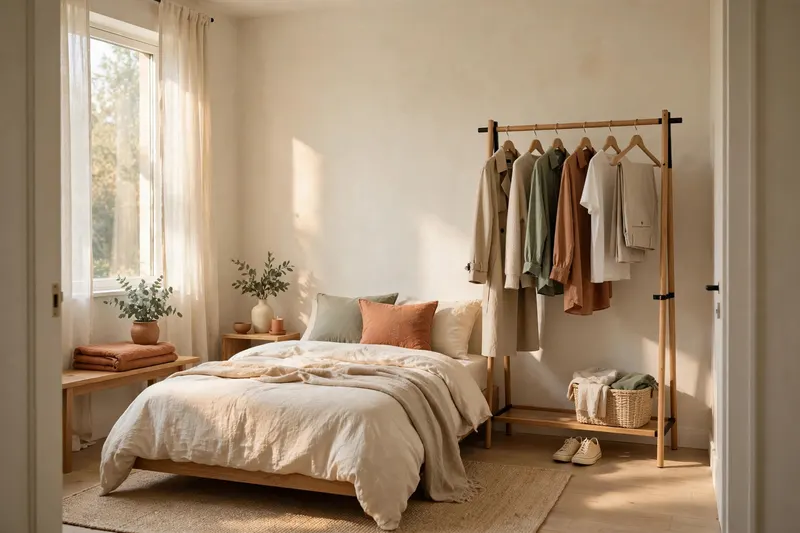
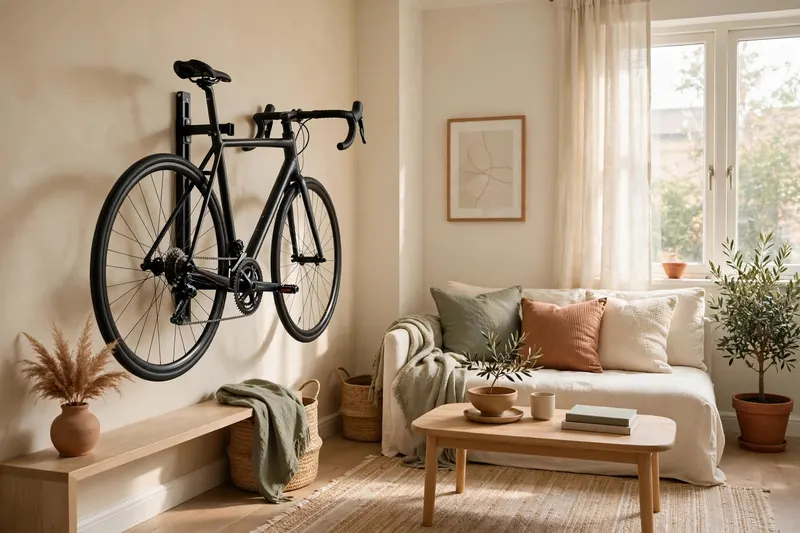
A teenager’s bedroom is never just a bedroom. It is a classroom, a closet, a gym bag, a music studio, and a gaming setup squeezed into one small room — and the mess shows it. If you are a teen hunting for homework under a pile of hoodies, or a parent stepping over sports gear, these small bedroom storage ideas teenagers love will help. The fix is not a bigger room or a full makeover. It is zones: a place for schoolwork, a system for clothes, and a home for every hobby, so everything has somewhere to go.
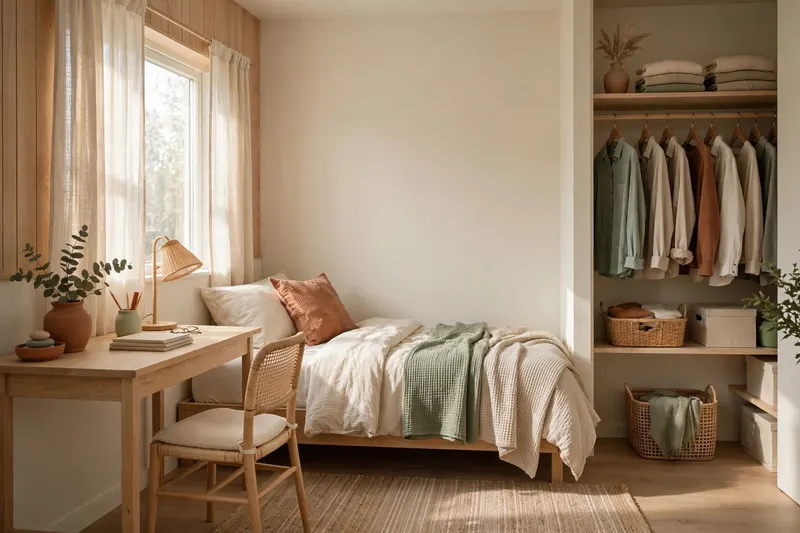
The teen room triage: what actually lives here
Before buying a single bin, empty the room — one zone at a time — and sort everything into four piles: school, clothes, hobbies, and everything else. The guitar untouched for a year, last semester’s textbooks, and clothes that no longer fit are taking space daily items need. Bag up outgrown items for donation. This one pass usually frees more space than any organizer you could buy, and it shows exactly how much storage each category really needs.
1. Give every category its own zone
Assign schoolwork to the desk wall, clothes to the closet, and hobbies to one shelf or corner. When a category has no zone, its stuff drifts onto the bed and the floor. Sketch the room, label each zone, and stick to it for a month before rearranging.
2. Do a 20-minute seasonal swap
Four times a year, spend 20 minutes rotating out-of-season clothes and gear. Winter coats and boots go into a labeled bin on the top closet shelf or under the bed, and summer clothes come down. A small room cannot hold a full year’s wardrobe and sports kit at once.
Desk zone: homework, charging, and supplies in reach
Homework happens at the desk, or on the bed with papers everywhere. A desk zone only works when everything needed for school is within arm’s reach. Aim for a desk about 40 inches wide; anything narrower turns into a laptop-only ledge. Keep it against a wall so the wall above it can hold storage too.
3. Build a vertical desk caddy, not a junk drawer
Mount a wall organizer or desktop caddy with separate slots for pens, highlighters, scissors, and sticky notes. A single pencil cup is not enough — supplies need dividers, or they become one tangled pile. Keep only the five most-used tools on the desk; the rest lives in a labeled pouch in a drawer.
4. Create one charging station with a cable tray
Teens charge a phone, a laptop, and often earbuds, and loose chargers breed cable spaghetti. Put a small power strip in a cable tray or lidded box on the desk, label each cable with tape, and give every device a fixed spot. Phones charge at the desk overnight, not in bed — keeping screens out of the bedroom helps teens sleep better, and a desk charging station makes that easy to stick to.
5. Use a rolling cart as a homework supply station
A three-tier rolling cart, roughly 13 by 18 inches, holds textbooks and notebooks beside the desk and rolls away when friends come over. Label each tier — “this week,” “reference,” “supplies” — so it works as a filing system, not a dumping ground.

A dorm room storage guide has more renter-safe desk-zone tricks that work in a teen bedroom.
Closet systems that survive a teenager
A single rod and one shelf is not a closet system — it is a clothes avalanche waiting to happen. Everything hangs at one height and the floor becomes a laundry pile. The fix is cheap: a second rod, a few shelf dividers, and a rule about what lives where.
6. Double the hanging rod
Add a second rod about 40 inches below the top one. Short items — shirts, hoodies, pants on hangers — go on the lower rod; longer items like dresses or coats stay up top. This roughly doubles hanging space, and a tension or screw-mounted rod costs less than a new dresser.
7. File-fold clothes instead of stacking them
Fold t-shirts, shorts, and pajamas into rectangles and stand them upright in a drawer or bin, spine up, like files. You can see every shirt at a glance, nothing gets buried, and putting laundry away takes minutes. Use drawer dividers or small boxes to keep each file-folded row standing.
8. Put a shoe rack on the closet floor, not by the door
Shoes by the door trip everyone and migrate across the room. A two-tier shoe rack inside the closet holds four to six pairs in about 24 inches. Keep the daily pair at the front and rotate seasonal shoes to a labeled bin on the top shelf. For more closet layout ideas, see our guide to over-the-door organization ideas.

Hobby and gear storage: sports, music, and gaming
Hobby gear is bulky, oddly shaped, and used in bursts. Give each hobby a single container and a single home, so a guitar, a skateboard, or a game controller never ends up on the bed.
9. Give each hobby one bin and one home
Assign one labeled bin per hobby — “soccer,” “guitar,” “art” — kept on the same shelf every time. When the bin is full, something goes before anything new comes in. This one-in, one-out rule stops hobby gear from colonizing the room.
10. Hang sports gear on the wall, not in a pile
A hook rail or a few heavy-duty adhesive hooks near the door holds a gym bag, a skateboard, and caps off the floor. Cleats and shin guards go in a ventilated mesh bag on the same rail, so sweaty gear airs out instead of stinking up the closet. Keep the bag packed by the door.
11. Corral gaming and music gear in a single charging drawer
Controllers, headphones, cables, and a handheld console belong in one drawer or lidded box beside the TV or desk — not scattered across surfaces. Add a headphone hook on the side of the desk, and the setup packs away in under a minute when homework calls.
Under-bed and over-door hidden storage
The two biggest patches of unused space are under the bed and behind the door. Both hide bulky items without adding furniture, and both are renter-friendly.
12. Use flat rolling bins under the bed
Low-profile bins about 6 inches tall slide under most beds and hold out-of-season clothes, extra bedding, or a spare sports kit. Choose bins with lids and wheels, label the end facing out, and keep one rule: if it does not fit under the bed, it does not live in the room. Our guide to 18 under-bed storage ideas covers flat bins, rolling drawers, and dust-proof bags.
13. Hang an over-door organizer for the small stuff
A clear-pocket over-door organizer holds chargers, hair tools, belts, socks, and stationery. Clear pockets matter — if you cannot see it, you will forget it and buy a duplicate.
Wall storage: shelves, hooks, and pegboards
When the floor is full, the only direction left is up. Wall storage keeps daily items visible without eating floor space, and most of it installs with adhesive strips or a few screws.
14. Install one floating shelf at eye level above the desk
A single 24-inch shelf, mounted roughly 18 inches above the desk, holds textbooks, a small plant, and a clock. Use brackets rated for at least 20 pounds; never overload a shelf on adhesive strips alone.
15. Hang a pegboard for the rotating cast of supplies
A pegboard above the desk or beside the closet holds headphones, chargers, a calendar, and art supplies on hooks and small baskets, and rearranges in seconds when interests change. Unlike fixed shelves, it grows with the teen.

Keeping it tidy: the 10-minute nightly reset
No storage system survives without a maintenance habit, and it has to be short enough to happen. A 10-minute reset every night beats a three-hour weekend cleanout, because clutter never gets a chance to pile up.
16. Run the 10-minute reset before screens
Set a 10-minute timer before bedtime: clothes in the hamper, dishes to the kitchen, desk cleared, bag packed for tomorrow. Do it before screens come out, not after — once the phone is in hand, the reset does not happen.
17. Keep a donation bag permanently in the closet
Hang an empty bag on a closet hook and drop in anything outgrown or unused the moment you notice it. When it is full, it goes straight to donation — decluttering becomes a background habit, not a dreaded event.

Mistakes to avoid
- Buying organizers before decluttering. Containers organize what is already there — they do not create space. Declutter first, measure second, buy last.
- One giant bin for everything. A single “stuff” bin is a junk drawer with a lid. Every bin needs one category and one label.
- Ignoring door swings and walkways. Shelves are useless if the door hits them or the path to the bed is blocked. Leave at least 24 inches of clear walkway.
- Storing heavy items up high. Textbooks and gear belong at waist height or below; high shelves are for light, rarely used items only.
- Making the system parent-only. If the teen did not help design the zones, they will not maintain them. Let them choose the bins, labels, and layout.
Frequently Asked Questions
How can a teenager organize a small bedroom with no closet?
Use the walls and the bed: a freestanding garment rack replaces a closet rod, flat bins under the bed hold folded clothes, and an over-door organizer takes the small stuff.
What is the best storage for a teen’s desk in a tiny room?
A wall-mounted organizer above the desk plus a three-tier rolling cart beside it — supplies on the wall, books and paper in the cart, and the desk surface clear for work.
How do I store sports gear in a small teen bedroom?
Hang it: a hook rail near the door holds the bag, and a mesh bag on the same rail airs out cleats and guards. Balls and pads go in one labeled bin under the bed or on the top closet shelf — never loose on the floor.
Can a small teen bedroom hold both a desk and a hobby area?
Yes, if they share a wall. Put the desk against one wall and the hobby storage — a pegboard, one shelf, one bin — right beside it, so the two zones act as one work area. The bed and closet take the other side, and nothing competes for the middle of the floor.
Conclusion
A small teen bedroom works when every category has a zone, every zone has a home, and the nightly reset keeps the system honest. Start with the floor, build the desk and closet systems, and give each hobby one bin. Browse more small-spaces ideas, and save this pin for later.